

Reach-In Refrigerator and Freezer: A Complete Guide for Commercial Kitchens

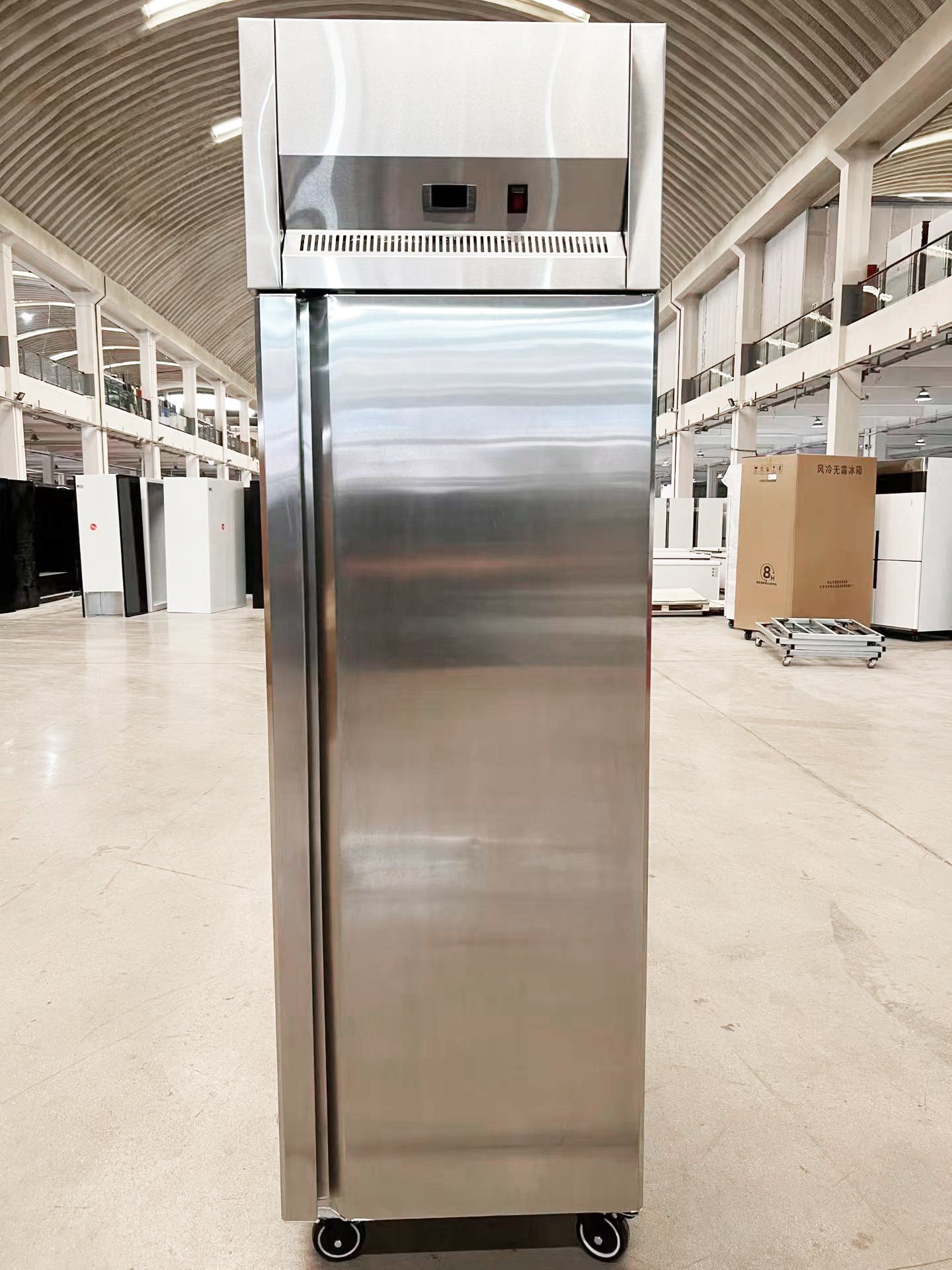
Among all commercial refrigeration solutions, reach-in refrigerators and freezers are one of the most popular choices for restaurants, hotels, supermarkets, bakeries, and catering businesses.
With a compact footprint, large storage capacity, and easy access design, a commercial reach-in refrigerator helps kitchen staff quickly organize and retrieve ingredients during busy working hours.
However, choosing the right reach-in refrigerator and freezer is not only about size or price. Cooling performance, component quality, energy efficiency, durability, and after-sales support all influence the long-term value of the equipment.
In this guide, we will explain what a reach-in refrigerator is, how to choose the right model, and what makes a reliable commercial refrigeration solution.
What Is a Reach-In Refrigerator and Freezer?
A reach-in refrigerator and freezer is a vertical commercial refrigeration unit designed for storing fresh and frozen food with easy front access.
Compared with walk-in refrigeration systems, reach-in units require less space and allow kitchen staff to quickly access ingredients during daily operations.
They are widely used in:
- Restaurants
- Hotels
- Supermarkets
- Bakeries
- Catering businesses
Available configurations typically include one-door, two-door, and three-door models to meet different storage requirements.
Reach-In Refrigerator vs Reach-In Freezer: What Is the Difference?
The main difference between a reach-in refrigerator and freezer is the storage temperature and application.
| Reach-In Refrigerator | Reach-In Freezer | |
|---|---|---|
| Temperature | 0-5℃ / 32-41℉ | -18℃ / 0℉ or below |
| Used for | Fresh food storage | Frozen food storage |
| Common items | Meat, vegetables, dairy, beverages | Frozen meat, seafood, ice cream |
Many commercial kitchens use both refrigerators and freezers to create a complete food storage solution.
3. Important Factors When Choosing a Commercial Reach-In Refrigerator
1) Storage Capacity and Size
Before choosing a unit, consider:
- Kitchen space
- Daily food volume
- Number of employees
- Storage frequency
Common options include:
- One door reach-in refrigerator
- Two door reach-in refrigerator
- Three door reach-in refrigerator
For restaurants with higher storage demand, two-door and three-door models are usually more practical.
2) Compressor Location: Top Mount or Bottom Mount?
This is a common question from buyers.
Top-mounted compressor
Advantages:
- Keeps the compressor away from kitchen dust and grease
- Better for hot kitchen environments
- Easier cleaning around the bottom area
Bottom-mounted compressor
Advantages:
- Easier maintenance access
- Lower installation height
- Convenient for daily service
The best choice depends on the kitchen environment and operating conditions.
3) Cooling Performance and Temperature Stability
A reliable commercial refrigerator should provide:
- Fast cooling
- Stable temperature control
- Even air distribution
- Efficient defrosting system
Features such as fan-assisted cooling and digital temperature control help maintain food quality and safety.
4) Energy Efficiency
Energy costs are an important consideration for restaurants because refrigeration equipment usually operates 24/7.
When selecting a reach-in refrigerator, consider:
- High-efficiency compressor
- Proper insulation thickness
- Energy-saving refrigerant
- Door sealing performance
4. Why Stainless Steel Is Popular for Commercial Refrigerators
Most commercial reach-in refrigerators use stainless steel construction because it offers:
- Durability
- Easy cleaning
- Corrosion resistance
- Professional appearance
For busy commercial kitchens, stainless steel helps equipment maintain long-term performance under daily use.
5. Common Applications of Reach-In Refrigerators
Reach-in refrigerators and freezers are suitable for:
Restaurants
Store meat, vegetables, sauces, and beverages.
Hotels
Support large-scale food preparation and storage.
Supermarkets
Provide organized storage for fresh and frozen products.
Bakeries
Maintain ingredients such as cream, butter, and dough.
6. How to Maintain a Reach-In Refrigerator and Freezer
Regular maintenance can extend equipment life.
Recommended practices:
- Clean condenser coils regularly
- Check door gaskets
- Avoid blocking air circulation
- Keep proper distance from walls
- Monitor temperature regularly
Proper maintenance helps reduce energy consumption and prevents unexpected downtime.
Conclusion
A commercial reach-in refrigerator and freezer is an essential investment for any foodservice business.
The right equipment should not only provide enough storage space but also deliver reliable cooling performance, energy efficiency, and long-term durability.
At Starcrest, we provide commercial refrigeration solutions including reach-in refrigerators, freezers, and customized refrigeration equipment to meet different business needs.